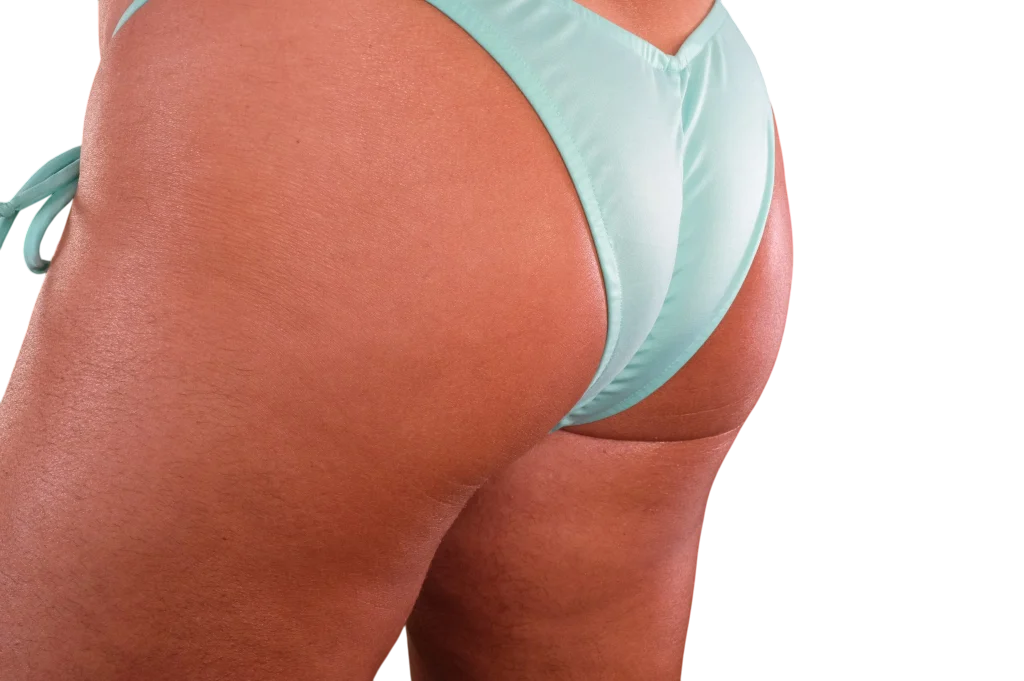
Lycra Bikini Micro Swimsuits: Why Men’s and Women’s Swimwear Keeps Getting Smaller!
The Micro Swimsuit Revolution Is Changing Beach Fashion for Everyone
Something exciting is happening in the world of swimwear. Bikinis are getting smaller, thongs are becoming more popular, and micro and ultra-micro Lycra swimsuit designs are pushing the boundaries of how little fabric a swimsuit actually needs.
For both men and women, the trend toward smaller swimwear has become one of the most provocative and interesting directions in modern beach fashion. What was once considered daring or even shocking is increasingly becoming an accepted fashion choice in the right settings.
Women have been wearing tiny bikinis, Brazilian cuts, and thong swimsuits for decades. Now men are discovering the same freedom, with an expanding selection of Lycra bikini micro swimsuits that rival—and sometimes use even less fabric than—women’s designs.
From the beaches of Brazil and Europe to pool parties in Miami, Las Vegas, and Southern California, tiny swimwear is no longer exclusively associated with professional models or private resorts.
Men and women of different ages, body types, and backgrounds are discovering that less coverage can mean more freedom, better tanning, greater comfort, and a completely different beach experience.
And perhaps the most interesting development is that the traditional differences between men’s and women’s swimwear are becoming less important.
Today’s micro swimsuit designs include everything from tiny male-enhancement pouches to completely smooth MTF transformation bikinis, while women’s designs continue experimenting with narrower fronts, high-cut legs, and increasingly minimal coverage.
The question is no longer simply how small a swimsuit can become.
It’s why so many people want to wear these tiny Lycra creations in the first place.
What Is a Lycra Bikini Micro Swimsuit?
A Lycra bikini micro swimsuit is a minimalist swimwear design made from a highly stretchable fabric, typically a blend of nylon or polyester and elastane.
Lycra is a well-known brand name for elastane fiber, often called spandex in the United States.
The material’s exceptional stretch and recovery make it ideal for creating swimsuits that use very little fabric while still fitting closely against the body.
Unlike traditional swimwear, which may use broad panels and substantial coverage, micro swimsuits are designed around minimalism.
They often feature narrow side straps, abbreviated front panels, tiny rear sections, and carefully engineered shapes that provide only the coverage the designer intends.
Some micro designs emphasize anatomy, while others compress, conceal, or reshape it.
The result is a swimsuit that can look dramatically different from conventional swim briefs or bikinis.
What Makes Lycra Perfect for Micro Swimwear?
Without modern stretch fabrics, many of today’s micro swimsuit designs would be impractical.
Lycra provides several advantages:
- Exceptional stretch: Allows small fabric panels to adapt to body contours.
- Close-fitting comfort: Creates a smooth, second-skin sensation.
- Shape retention: Helps the swimsuit maintain its intended fit.
- Lightweight construction: Reduces bulk and unnecessary fabric.
- Design versatility: Makes tiny pouches, narrow straps, and complex cuts possible.
- Quick-drying performance: Depending on the fabric blend and construction, Lycra swimwear can dry relatively quickly.
A micro swimsuit may appear remarkably simple, but designing one that fits comfortably and stays securely in place can require considerable skill.
The smaller the swimsuit, the more important the fabric, cut, and construction become.
Why Are Men’s and Women’s Swimsuits Getting Smaller?
There is no single reason behind the growing interest in micro swimwear.
Instead, several changes in fashion, lifestyle, and personal attitudes have created an environment in which minimal-coverage swimsuits appeal to a wider audience.
1. People Are Becoming More Comfortable Showing Their Bodies
One of the biggest influences is the growing acceptance of different body types.
For many years, revealing swimwear was strongly associated with people who had athletic or model-like physiques.
Today, more people are challenging that expectation.
Men and women with a variety of body shapes are choosing swimwear based on what they enjoy rather than what traditional fashion rules suggest they should wear.
A person does not need a perfect stomach, sculpted legs, or a particular body size to enjoy a micro bikini.
Confidence often comes from wearing something because you want to—not because you believe you meet someone else’s standard.
2. Minimal Tan Lines Are a Major Attraction
One of the oldest reasons for wearing smaller swimsuits remains one of the most important.
Smaller swimsuits create smaller tan lines.
For women, this has helped drive the popularity of Brazilian bikinis, thong bottoms, and narrow-cut tops.
For men, micro bikinis and G-strings can produce much smaller tan lines than traditional swim briefs or board shorts.
Some enthusiasts specifically choose designs that expose as much skin as practical while retaining the coverage they prefer.
Of course, reduced fabric coverage also means increased exposure to ultraviolet radiation. Sunscreen, shade, and sensible sun exposure remain important.
3. Smaller Swimsuits Can Feel Less Restrictive
Many people simply dislike wearing large amounts of wet fabric.
Board shorts can become heavy when soaked, and loose swimwear may move around in the water.
A properly fitted Lycra bikini stays close to the body and avoids much of that excess material.
For some swimmers and beachgoers, a tiny swimsuit feels surprisingly comfortable.
Less fabric can mean less bunching, fewer loose panels, and a greater sense of freedom.
However, the smallest design is not automatically the most comfortable. Fit and support still matter.
4. Social Media Has Made Daring Swimwear More Visible
Fashion trends once spread primarily through magazines, advertising, and celebrity photographs.
Today, people encounter new swimwear designs through social media, independent designers, beach communities, and online retailers.
Someone who has never seen a man wearing a micro thong or a woman wearing an ultra-micro bikini can now discover these designs almost instantly.
This increased visibility helps normalize styles that previously seemed unusual.
It also encourages designers to experiment with increasingly distinctive cuts.
5. Men’s Swimwear Is Becoming Less Conservative
Perhaps the most dramatic change is happening in men’s swimwear.
For years, loose swim trunks and board shorts dominated many mainstream markets, especially in the United States.
Now, men’s bikinis, thongs, micro briefs, and tiny Lycra swimsuits offer alternatives for men who prefer less coverage.
The trend is particularly interesting because many designs borrow elements from women’s swimwear.
High-cut legs, narrow sides, cheeky backs, and tiny front panels are no longer exclusively feminine design features.
Men are increasingly free to choose these styles without necessarily associating them with a particular sexual orientation or gender identity.
Men’s Lycra Micro Bikinis: From Speedos to Almost No Fabric!
The history of men’s minimal swimwear helps explain how today’s extreme designs developed.
Traditional swim briefs, commonly associated with Speedo, demonstrated that men did not need long shorts to swim comfortably.
These fitted designs became familiar in competitive swimming and in many beach cultures.
Over time, designers began reducing the amount of fabric.
First came smaller swim briefs.
Then came high-cut bikini designs with narrow sides.
Thongs and G-strings introduced even less rear coverage.
Eventually, micro and ultra-micro bikinis emerged, featuring tiny front panels and abbreviated cuts that would have seemed extraordinary decades earlier.
Today, men’s swimwear includes designs that cover only a small portion of the body.
And not every micro bikini is intended to create the same appearance.
Some make the male anatomy look larger.
Others deliberately make it look smaller.
Still others create a completely feminine-looking front.
This variety is one of the most fascinating aspects of modern Lycra swimwear.
The Different Styles of Men’s Micro Lycra Swimsuits
Traditional Micro Bikini Briefs
The micro bikini brief is a natural progression from the conventional Speedo-style swimsuit.
It typically features a smaller front panel, narrower sides, and reduced rear coverage.
For men trying minimal swimwear for the first time, this can be an excellent starting point.
The style retains the familiar appearance of a swim brief while providing a noticeably more revealing cut.
Micro Bulge Bikinis
Some men enjoy swimsuits that emphasize the shape of their anatomy.
Micro bulge designs use shaped pouches and stretch fabrics to create a prominent front silhouette.
The pouch may be rounded, contoured, or designed to provide lift.
Because the surrounding fabric is minimal, the pouch becomes the central visual feature of the swimsuit.
These designs are particularly popular among men who enjoy body-conscious fashion.
Ultra-Micro Pouch Swimsuits
Ultra-micro pouch designs reduce the amount of fabric even further.
They may feature exceptionally narrow sides and a very small front pouch.
Some designs use a shaped pouch that accommodates the anatomy while minimizing fabric elsewhere.
Others create an extremely abbreviated appearance through specialized pattern construction.
The engineering becomes increasingly important as coverage decreases.
A successful ultra-micro swimsuit must balance appearance, stretch, security, and comfort.
Micro Thong Swimsuits
Thongs are an important part of the minimal swimwear movement.
For men, a micro thong combines a small front panel with very limited rear coverage.
Some feature narrow waistbands, while others use thin straps.
The result can be a swimsuit with dramatically less fabric than a traditional swim brief.
Men who enjoy tanning, fitted swimwear, or daring beach fashion may find these styles especially appealing.
Lycra G-String Swimsuits
G-strings take the thong concept even further.
Instead of a broader waistband and rear section, they generally use very narrow straps.
For some wearers, this creates the ultimate minimalist swimsuit.
However, G-strings may not be appropriate at every public pool or beach, and their suitability for swimming depends on their construction.
Brazilian-Cut Micro Bikinis
Brazilian styling has influenced both men’s and women’s swimwear.
A Brazilian-cut bikini generally features higher leg openings and reduced rear coverage.
For men, this creates a distinctive combination of traditional bikini styling and a more revealing silhouette.
These designs can be particularly appealing to men who want a small swimsuit without choosing a full thong.
Women’s Micro Lycra Bikinis: How Small Can They Go?
Women have played a major role in the development of minimalist swimwear.
From the introduction of the modern bikini to contemporary Brazilian thongs and micro designs, women’s fashion has repeatedly challenged traditional ideas about appropriate beach coverage.
Today’s women’s micro bikinis can feature tiny triangle tops, narrow front panels, high-cut bottoms, thong backs, and extremely thin straps.
Some designs prioritize tanning.
Others are created primarily for fashion photography, resort wear, or private pool settings.
Micro Triangle Bikinis
The traditional triangle bikini has evolved into much smaller variations.
Modern micro triangle tops may use minimal fabric panels supported by thin straps.
The bottoms often feature similarly narrow construction.
The overall effect is a light, abbreviated silhouette.
Brazilian Thong Bikinis
Brazilian thong bottoms have become influential in contemporary women’s swimwear.
Their high-cut legs and reduced rear coverage create a distinctive shape.
This styling has also influenced men’s micro bikinis and thongs.
Ultra-Micro Women’s Swimwear
Ultra-micro women’s designs take minimalism to its limits.
Some use extremely narrow fabric panels that provide only limited coverage.
Others are intended for controlled settings rather than conventional public swimming.
As designs become smaller, movement, fit, and the risk of accidental exposure become increasingly important considerations.
Why Women Continue Choosing Smaller Designs
For many women, the appeal is similar to that experienced by men.
They enjoy minimal tan lines, lightweight fabrics, and the freedom of wearing less material.
Others appreciate the fashion statement.
A micro bikini can be playful, glamorous, daring, or simply a preferred style of swimwear.
Not all women enjoy minimal coverage, of course. The appeal is having more choices.
When Men’s Micro Swimsuits Become Smaller Than Women’s Bikinis
One of the most interesting developments in modern swimwear is the emergence of men’s designs that use less fabric than many women’s bikinis.
Historically, women’s swimsuits were often considered the more revealing option.
Today, that distinction is much less clear.
A men’s ultra-micro pouch bikini may feature an exceptionally small front panel and narrow straps.
A men’s G-string may provide less overall coverage than a conventional women’s thong bikini.
Some male micro designs are so abbreviated that they appear almost entirely different from traditional swimwear.
This represents a major change in men’s fashion.
Men are no longer restricted to choosing between board shorts and conventional swim briefs.
They can experiment with the same minimalist principles that have shaped women’s swimwear for decades.
And increasingly, designers are creating styles that do not fit neatly into traditional male or female categories.
Micro Lycra Swimwear for Men Who Want the Smallest Possible Bulge
Not every man who wears a micro swimsuit wants to emphasize his anatomy.
In fact, one distinctive category of men’s Lycra swimwear is designed to create the smallest possible front appearance.
These swimsuits may feature reduced-volume pouches, flat-front construction, or specialized compression panels.
For men who naturally have a smaller penis, these designs may provide a particularly streamlined appearance.
Other men choose them because they prefer the aesthetic of a minimal bulge.
Some simply enjoy the contrast between a traditionally masculine body and a tiny, feminine-inspired swimsuit.
This trend challenges the long-standing assumption that men’s swimwear must emphasize masculine anatomy.
For many wearers, the objective is not to look larger.
It is to look smaller, smoother, or more feminine.
MTF Micro Bikinis: When Men’s Swimwear Creates a Feminine Appearance
One of the most specialized developments in Lycra micro swimwear is the growth of MTF transformation designs.
These swimsuits are intended for people who want a feminine-looking front.
Some are designed for transgender women.
Others appeal to crossdressers, femboys, gender-fluid individuals, and men who enjoy experimenting with feminine presentation.
Flat-Front MTF Micro Bikinis
Flat-front swimsuits use fabric construction and shaping to minimize the visible outline of the penis.
The result can resemble the front of a conventional women’s bikini.
For someone who wants a feminine appearance without permanent physical changes, this can be an attractive option.
Camel-Toe Appearance Micro Swimsuits
Some specialized MTF designs create the visual impression of female external anatomy.
They may use shaped fabric panels, seams, or other construction techniques to simulate a camel-toe appearance.
These designs represent a significant departure from traditional men’s swimwear.
Instead of displaying a male bulge, they create an intentionally feminine silhouette.
Tucking-Compatible Micro Swimwear
Other styles are designed to accommodate tucking.
Tucking can help create a smoother front, but it requires care.
A swimsuit should never apply painful pressure or restrict circulation.
Wearers should choose appropriate sizing and avoid techniques that cause numbness, swelling, or persistent discomfort.
For some people, non-tucking transformation designs offer a more comfortable option.
The Appeal of Gender-Fluid Micro Swimwear
These specialized designs illustrate how modern swimwear is becoming less dependent on conventional gender categories.
A person can choose a masculine pouch, a minimal bulge, or a feminine front based on the appearance they prefer.
That freedom is a significant part of the modern micro swimsuit movement.
Why Tiny Lycra Swimsuits Can Be Surprisingly Comfortable
Someone who has never worn a micro bikini may assume that a swimsuit with so little fabric would be uncomfortable.
Yet many enthusiasts report the opposite.
A properly designed Lycra micro swimsuit can feel light and unobtrusive.
There is very little fabric to bunch up, sag, or trap water.
The stretch material moves with the body, while a carefully designed pouch or front panel provides the necessary support.
For some people, wearing a tiny swimsuit feels more natural than wearing loose swim trunks.
However, comfort depends on several factors.
The fabric must have appropriate stretch and recovery.
The waistband and straps must fit securely without digging into the skin.
The front panel must accommodate the wearer’s anatomy.
And the design must remain stable during normal movement.
A swimsuit that looks impressive while standing still may not necessarily perform well while swimming or walking.
This is why good micro swimwear design involves more than simply removing fabric.
The Engineering Challenge: How Designers Keep Making Swimsuits Smaller
Creating a successful ultra-micro swimsuit can be more difficult than designing a conventional bikini.
With traditional swimwear, larger fabric panels provide more opportunities for adjustment.
Micro designs have far less room for error.
Every seam, strap, and contour matters.
Fabric Stretch and Recovery
The Lycra blend must stretch sufficiently to accommodate movement while returning to its original shape.
Poor recovery can cause a tiny swimsuit to lose its fit quickly.
Pouch Construction
For men’s micro swimwear, pouch engineering is especially important.
A tiny pouch must provide the intended appearance without creating uncomfortable pressure or instability.
Some designs use carefully shaped seams.
Others rely on stretch direction, elastic placement, or contoured panels.
Strap Placement
The position of the side straps can dramatically affect how a micro swimsuit looks and feels.
Higher placement may create longer-looking legs.
Narrower sides reduce visible fabric.
However, straps must still provide enough stability to keep the swimsuit in place.
Rear Coverage
Micro swimsuit designers can experiment with cheeky backs, Brazilian cuts, thongs, and G-strings.
Each creates a different visual effect and requires different construction.
Wet Performance
Swimsuits behave differently when wet.
Fabric may become more transparent, stretch differently, or move against the skin.
Designers must account for these changes, particularly with extremely small garments.
The ultimate goal is not simply to make a swimsuit smaller.
It is to make it smaller while preserving the qualities that make it wearable.
The Influence of Brazil, Europe, and American Beach Culture
Different regions have contributed to the development of minimalist swimwear.
Brazil has long been associated with high-cut bikinis, Brazilian bottoms, and revealing beach fashion.
Parts of Europe have a longstanding tradition of men wearing fitted swim briefs, making smaller styles less unusual in some beach communities.
In the United States, swimwear preferences have historically varied considerably by region.
Loose board shorts remain common, but bikinis, thongs, and micro designs have visible followings in places such as Miami, Southern California, and adult-oriented resort destinations.
Gay beach communities, fashion-focused pool parties, and clothing-optional or minimal-coverage settings have also provided spaces where unconventional swimwear can be worn more comfortably.
These cultural influences do not mean that micro swimsuits are accepted everywhere.
Local expectations, venue rules, and public-decency laws still vary.
But the availability of different settings allows more people to choose swimwear that reflects their preferences.
Micro Swimsuits and the Gay Men’s Swimwear Scene
Gay men’s beach and resort fashion has been an important influence on the visibility of minimal-coverage men’s swimwear.
At some gay resorts, cruises, and pool parties, fitted swim briefs, bikinis, thongs, and micro swimsuits are familiar choices.
These environments can make it easier for men to experiment with designs they might hesitate to wear elsewhere.
For many, the appeal is the freedom to wear something attractive without feeling obligated to conform to conventional masculine swimwear.
However, micro swimwear is not exclusively gay fashion.
Straight men, bisexual men, and men of many identities also enjoy tiny bikinis and thongs.
A swimsuit does not determine sexual orientation.
The growing crossover between different communities is helping expand the market for minimalist men’s swimwear.
Why Women Are Becoming More Accepting of Men Wearing Tiny Bikinis
Traditional expectations often treated revealing swimwear differently for men and women.
Women were encouraged to experiment with bikinis and thongs, while men were frequently expected to wear shorts.
Those expectations are changing in some communities.
Some women appreciate seeing men in fitted, minimal swimwear.
Others simply believe that men should have the same freedom to choose revealing clothing that women enjoy.
For couples, this can become a shared fashion interest.
A woman might prefer a Brazilian thong bikini while her boyfriend or husband chooses a matching Lycra micro brief.
Some couples enjoy coordinating colors or wearing similarly minimal designs.
The important change is that men’s choices are increasingly being viewed as fashion preferences rather than automatic statements about masculinity or sexuality.
Acceptance is not universal, but the range of available styles is broader than ever.
Are Micro Swimsuits Only for Young People with Perfect Bodies?
Absolutely not.
One of the most limiting assumptions about micro swimwear is that it is reserved for young people with exceptionally athletic bodies.
In reality, adults of many ages and body types enjoy minimal swimwear.
Some have muscular physiques.
Others are slender, stocky, curvy, or naturally lean.
Some wear micro bikinis because they enjoy showing the results of their fitness routines.
Others simply prefer the comfort and appearance.
Older men and women can enjoy Lycra micro swimwear just as much as younger adults.
The most important considerations are personal comfort, appropriate fit, and choosing a setting where the swimsuit can be worn confidently.
A person does not need to meet a particular beauty standard to enjoy a tiny bikini.
Wearing Your First Lycra Micro Bikini Swimsuit
For someone accustomed to traditional swimwear, wearing a micro bikini for the first time can feel like a significant change.
The difference in coverage is immediately noticeable.
A man switching from board shorts to a tiny Lycra bikini may initially feel unusually exposed.
A woman moving from a conventional bikini to a micro thong may have a similar experience.
This reaction is normal.
Start with a Design You Feel Comfortable Wearing
Not everyone needs to begin with an ultra-micro swimsuit.
A smaller bikini brief or Brazilian-cut design can provide an introduction to minimal swimwear.
As comfort increases, some people choose smaller styles.
Others discover that a moderately revealing design is their favorite.
Try the Swimsuit at Home
Before wearing a micro bikini in public, test how it fits while standing, walking, sitting, and bending.
Make sure it stays securely positioned.
This is particularly important for ultra-micro designs.
Choose the Right Location
A private pool, suitable resort, or beach known for minimal swimwear may be a comfortable starting point.
Check local rules and venue policies.
Focus on Enjoyment Rather Than Reactions
People sometimes worry excessively about how others will respond.
The purpose of choosing a swimsuit should be personal enjoyment.
A well-fitting design that makes you feel comfortable is usually a better choice than one selected solely to attract attention.
Are Micro Swimsuits Becoming Mainstream?
Micro swimwear is becoming more visible, but there is an important distinction between growing popularity and universal mainstream acceptance.
Conventional swim trunks, briefs, and bikinis still dominate many public beaches and pools.
Ultra-micro designs remain specialized products.
However, the influence of minimalist fashion can be seen in smaller bikini cuts, higher leg openings, narrower sides, and reduced rear coverage.
Even people who would never wear an ultra-micro swimsuit may now choose designs that are smaller than those they wore years ago.
This is how fashion trends often evolve.
Extreme styles introduce new ideas.
Over time, selected elements influence more conventional designs.
The result is a gradual expansion of what people consider normal beachwear.
Will Men’s and Women’s Swimsuits Continue Getting Smaller?
Designers will almost certainly continue experimenting with minimal-coverage swimwear, although it is impossible to know how widely the smallest styles will be adopted.
There are practical limits to how much fabric can be removed while maintaining coverage, security, and comfort.
But innovation does not depend exclusively on reducing fabric.
Future designs may emphasize improved Lycra blends, seamless construction, adjustable straps, specialized pouch shaping, and more sophisticated gender-fluid styling.
We may also see greater crossover between men’s and women’s design concepts.
Men’s swimwear can borrow the high-cut silhouettes and delicate straps associated with women’s bikinis.
Women’s swimwear can incorporate construction techniques developed for athletic support and minimalist performance.
MTF and gender-fluid designs may continue expanding the possibilities for different body shapes and presentation preferences.
The future of micro swimwear is therefore about more than size.
It is about expanding the range of appearances that swimwear can create.
The Smallest Swimsuit Is Not Always the Best Swimsuit
Although the race toward smaller designs is exciting, minimalism has practical limits.
A swimsuit must still fit the person wearing it.
It should provide the desired coverage, remain comfortable, and suit the intended environment.
An ultra-micro G-string may be perfect for relaxing beside a private pool but less practical for active swimming.
A tiny pouch bikini may look attractive but require careful sizing.
A flat-front MTF swimsuit may create the desired silhouette but need a different construction from a conventional male-pouch design.
The best micro swimsuit is not necessarily the one with the least fabric.
It is the one that combines appearance, comfort, function, and personal preference.
Lycra Micro Swimsuits and the Freedom to Wear What You Want
Perhaps the most important aspect of the micro swimsuit movement is the freedom it represents.
For women, smaller bikinis can be a continuation of decades of experimentation with beach fashion.
For men, micro Lycra designs offer alternatives to traditional swimwear and conventional expectations about masculine appearance.
For gender-fluid individuals, femboys, crossdressers, and transgender women, specialized designs provide additional opportunities to express personal style.
And for anyone who simply enjoys tiny swimwear, the expanding variety makes it easier to find a design that fits their body and preferences.
There is no single reason someone chooses a micro bikini.
Some want minimal tan lines.
Some enjoy the feeling of lightweight Lycra.
Some appreciate the appearance of a tiny swimsuit.
Others enjoy challenging traditional fashion expectations.
All of these motivations contribute to the continuing interest in minimalist swimwear.
Conclusion: Lycra Bikini Micro Swimsuits Are Changing the Rules of Beach Fashion
The evolution of Lycra bikini micro swimsuits represents one of the most interesting developments in contemporary beachwear.
What began with conventional bikinis and fitted swim briefs has expanded into a remarkable variety of micro, ultra-micro, thong, G-string, Brazilian, and transformation designs.
Women continue experimenting with smaller and more daring bikinis.
Men are discovering an expanding world of minimal-coverage swimwear that includes everything from enhancement pouches to ultra-small fronts and feminine MTF styles.
And designers are finding new ways to use Lycra’s exceptional stretch and versatility to create garments that would have been difficult to imagine in earlier generations.
The trend toward smaller swimsuits reflects changing attitudes toward fashion, body confidence, personal freedom, and gender expression.
It does not mean everyone will eventually wear a micro bikini.
It means more people have the opportunity to choose one.
The real revolution is not simply that men’s and women’s swimsuits are getting smaller. It is that the rules governing who can wear tiny, revealing, body-conscious swimwear are becoming less restrictive.
Whether you prefer a traditional Lycra bikini, a Brazilian thong, an ultra-micro pouch swimsuit, or a feminine transformation design, there are more possibilities than ever before.
And as designers continue experimenting with new cuts, fabrics, and silhouettes, one question will remain at the center of minimalist swimwear fashion:
Just how small can a Lycra bikini swimsuit get while still being comfortable, functional, and fun to wear?