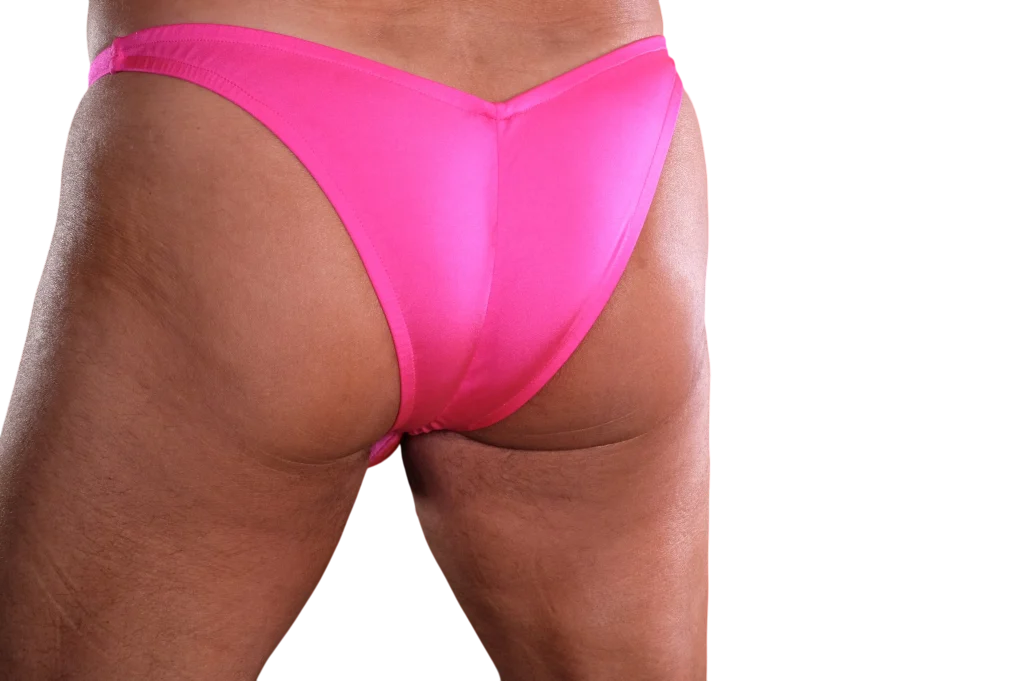
Lycra Bikini Swimwear for Men and Women: Styles, Confidence, Fashion, and the Experience of Wearing Them
Lycra bikini swimwear has become one of the most iconic and body-conscious forms of fashion in the world. From tiny string bikinis on tropical beaches to sleek athletic swim briefs at resort pools, Lycra-based swimwear represents freedom, confidence, sensuality, athleticism, and self-expression all at once. What was once considered daring or even shocking has gradually evolved into mainstream beachwear culture for both men and women.
Today, Lycra bikinis exist in hundreds of styles ranging from sporty and conservative to ultra-minimal and highly revealing. Women have worn bikini swimwear as a major part of fashion culture for decades, while men have increasingly embraced tighter, smaller, and more body-enhancing designs inspired by European beaches, fitness culture, swim athletics, and modern fashion trends. The rise of stretch fabrics like Lycra and spandex transformed swimwear completely, allowing designers to create sleek, sculpted garments that move like a second skin and dramatically shape the body.
Why Lycra Changed Swimwear Forever
Before stretch fabrics became common, swimwear was often made from heavier materials that lacked flexibility and comfort. The introduction of Lycra and modern stretch textiles allowed swimwear to become:
- More form-fitting
- More lightweight
- More revealing
- Faster drying
- More comfortable
- More athletic
- More sculpted to the body
The result was the rise of the modern bikini and body-conscious swimwear culture. By the 1960s through the 1980s, tighter Lycra swimwear had become strongly associated with fitness, beach culture, and physical confidence.
Lycra also changed how people emotionally experienced swimwear. Rather than simply being functional garments, bikinis became expressions of personality, body confidence, sexuality, athleticism, and fashion identity.
Women’s Lycra Bikini Styles
Women’s bikini styles have evolved enormously over the decades, ranging from classic cuts to extremely minimal designs.
Triangle Bikinis
The triangle bikini remains one of the most recognizable swimwear styles in the world. It uses adjustable triangular fabric panels connected by thin straps.
Women often love this style because it:
- Creates minimal tan lines
- Feels lightweight
- Enhances curves
- Looks youthful and playful
- Allows adjustable coverage
Triangle bikinis can range from sporty and practical to highly revealing depending on cut and fabric.
String Bikinis
String bikinis use thin side ties and minimal fabric coverage. They became symbols of beach confidence and freedom, especially on tropical beaches and resort destinations.
The appeal often comes from:
- Maximum body exposure
- Tiny tan lines
- Feminine styling
- Sensual appearance
- Adjustable fit
Many women describe string bikinis as simultaneously empowering and intimidating because they reveal so much of the body.
Thong Bikinis
Thong bikinis expose most or all of the buttocks and have become increasingly mainstream in many parts of the world. Once considered highly controversial, they are now common at beaches, resorts, and pool parties globally.
Women often choose thong bikinis because they:
- Eliminate tan lines
- Emphasize glute shape
- Feel bold and sexy
- Create a confident beach look
- Reflect body positivity trends
Micro Bikinis
Micro bikinis use extremely small fabric panels and are designed primarily for visual impact and minimal coverage.
These styles often appeal to wearers who enjoy:
- Extreme tanning
- Attention-grabbing fashion
- Glamour aesthetics
- High-confidence presentation
- Ultra-minimal styling
High-Cut Bikinis
High-cut bikinis became especially popular during the 1980s and continue to influence modern swimwear today. The high leg openings visually lengthen the legs and create a dramatic silhouette.
Sport Bikinis
Sport bikinis prioritize movement, athletic performance, and secure support while still maintaining a sleek bikini appearance.
They are common among:
- Competitive swimmers
- Beach volleyball players
- Surfers
- Active beachgoers
- Fitness-focused wearers
Men’s Lycra Bikini Swimwear Styles
Men’s Lycra bikini culture has expanded dramatically over the last few decades. While many regions once favored loose boardshorts, tighter and more body-conscious styles are increasingly common worldwide.
Swim Briefs
Classic swim briefs remain one of the most popular forms of men’s Lycra swimwear. Often associated with competitive swimming and European beach culture, they provide:
- Minimal drag in water
- Excellent support
- Freedom of movement
- Athletic appearance
- Body-enhancing fit
Many men initially feel nervous wearing briefs because they are far more revealing than shorts. However, many eventually report feeling more comfortable, athletic, and confident once they adapt to the style.
Men’s Bikini Swimwear
Men’s bikini swimwear reduces fabric even further than traditional swim briefs. These styles often sit lower on the hips and use narrower side panels.
The look emphasizes:
- V-lines
- Hip structure
- Athletic physiques
- Body contours
- Minimalism
Men who enjoy bikini swimwear often describe the experience as liberating because the suits feel lighter, freer, and more expressive than oversized trunks.
String Bikinis for Men
String bikinis for men borrow heavily from women’s swimwear styling, using thin side strings and minimal fabric.
These designs are especially popular among:
- Fashion-forward beachgoers
- Tanning enthusiasts
- LGBTQ+ communities
- Resort travelers
- Men comfortable with expressive fashion
Men’s Thong Swimwear
Men’s thong bikinis expose most or all of the buttocks while maintaining front support. Once considered strictly niche or fetish-oriented, they are increasingly visible on beaches worldwide.
Men who wear thong swimwear often describe:
- A sense of freedom
- Heightened body awareness
- Increased confidence
- Reduced tan lines
- A feeling of rebellion against restrictive fashion norms
Micro and Ultra-Micro Swimwear
Micro styles for men push minimalism even further with tiny pouches, narrow straps, and extremely reduced coverage.
These designs often emphasize:
- Physique display
- Sensuality
- Bold self-expression
- Fashion experimentation
- Extreme body confidence
Gender Fluid and Feminized Lycra Styles
One rapidly growing category involves gender-neutral or feminized Lycra swimwear for men. These styles may:
- Minimize the bulge
- Use softer contours
- Include feminine cuts
- Blend masculine and feminine aesthetics
- Create smoother body lines
This trend reflects broader shifts in modern fashion where many men feel increasingly comfortable exploring body-conscious and expressive styles once considered exclusively feminine.
The Male Perspective of Wearing Lycra Bikinis
For many men, the first experience wearing a Lycra bikini can feel emotionally intense.
Men often describe:
- Feeling exposed
- Feeling almost naked
- Worrying about judgment
- Becoming highly aware of their bodies
- Feeling vulnerable
Yet many also report a dramatic increase in confidence once they adjust to the sensation.
The tightness and support of Lycra can make men feel:
- More athletic
- More attractive
- More visible
- More physically aware
- More liberated
Many men who switch from baggy shorts to briefs or bikinis eventually say they never want to go back because Lycra swimwear feels lighter, faster, sexier, and more natural in the water.
The Female Perspective of Wearing Lycra Bikinis
Women have a longer cultural history with bikini fashion, but that does not mean wearing them is emotionally simple.
Women frequently describe bikini experiences involving:
- Confidence
- Vulnerability
- Empowerment
- Body awareness
- Fashion expression
- Sensuality
Some women love the body-enhancing nature of Lycra while others initially struggle with self-consciousness.
Many women describe bikinis as:
- Empowering
- Feminine
- Athletic
- Liberating
- Stylish
- Confidence-building
Modern body-positive movements have also encouraged women of all body types to embrace bikinis rather than treating them as garments reserved only for idealized figures.
The Psychological Side of Lycra Swimwear
Part of what makes Lycra bikinis so powerful psychologically is the “second skin” effect. Tight stretch fabric creates constant body awareness and makes wearers highly conscious of posture, movement, shape, and visibility.
For both men and women, wearing Lycra can produce feelings of:
- Freedom
- Confidence
- Exhibitionism
- Empowerment
- Sensuality
- Vulnerability
- Excitement
- Physical pride
The fabric itself often becomes associated with summer, fitness, beaches, nightlife, and personal transformation.
Why Lycra Bikini Culture Continues Growing
Several major cultural shifts continue driving the popularity of Lycra bikini swimwear:
- Greater body positivity
- Acceptance of expressive fashion
- Social media influence
- Fitness culture
- Gender-fluid fashion trends
- International beach culture
- The rise of athletic aesthetics
Younger generations especially tend to view tighter and more revealing swimwear as normal rather than shocking.
Men’s swimwear has undergone particularly dramatic evolution. Tight bikini cuts, thong styles, short shorts, and body-conscious silhouettes are becoming far more accepted in mainstream fashion than they were even a decade ago.
Final Thoughts
Lycra bikini swimwear represents much more than beach fashion. It combines body confidence, self-expression, athletic styling, sensuality, and personal identity into one of the most visually impactful forms of clothing ever created. For women, bikinis long ago became symbols of freedom, fashion, and empowerment. For men, the growing popularity of Lycra briefs, bikinis, thongs, and micro styles reflects changing attitudes toward masculinity, body image, and expressive fashion.
Whether someone chooses a sporty swim brief, a glamorous string bikini, a tiny micro design, or a sleek modern thong, Lycra swimwear continues to evolve because it transforms not only how people look, but how they feel inside their bodies. The result is a swimwear culture centered on confidence, individuality, movement, and the freedom to express oneself openly under the sun.