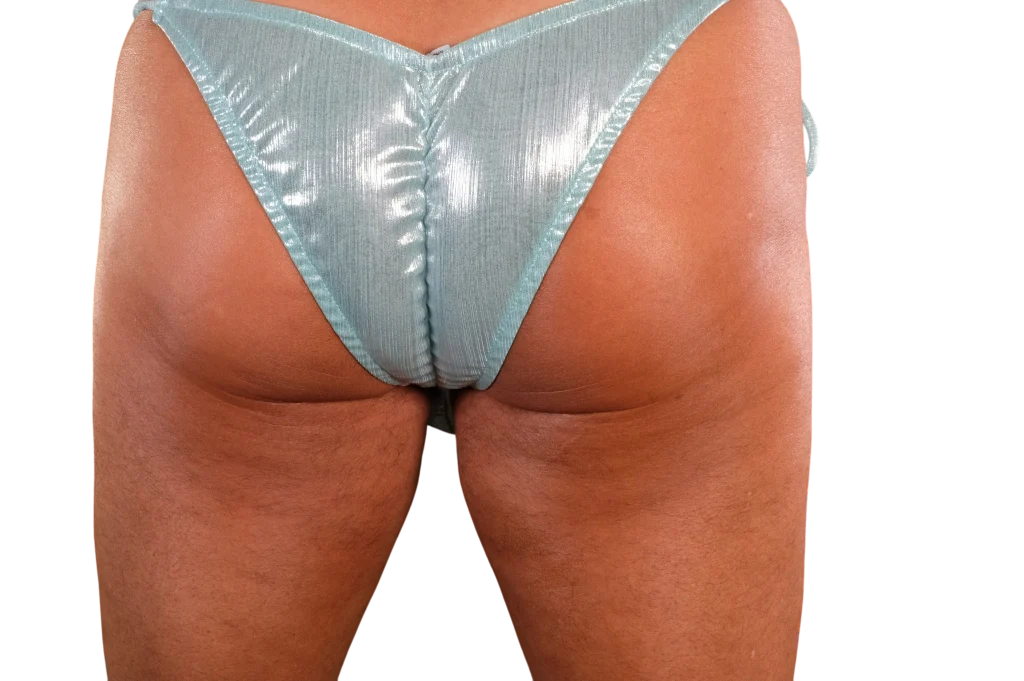
The History of the Lycra Bikini Swimsuit for Men and Women
Introduction
The Lycra bikini—sleek, form-fitting, and expressive—represents one of the most transformative evolutions in modern swimwear. From its origins in mid-20th century innovation to its current role in fashion, athletics, and identity expression, the Lycra bikini has reshaped how both men and women experience swimwear. Its story is one of technological advancement, cultural shifts, and changing attitudes toward the body.
1. Pre-Lycra Foundations: Early Swimwear and the Birth of the Bikini
Before Lycra existed, swimwear was primarily made from wool, cotton, or early synthetic blends. These materials were heavy, slow-drying, and often uncomfortable when wet.
The modern bikini for women debuted in 1946, revolutionizing beach fashion by introducing a two-piece design that emphasized freedom and minimal coverage. However, early bikinis still relied on rigid or less flexible fabrics, limiting their practicality.
For men, swimwear during this period was evolving from full-body suits into shorter trunks. The introduction of brief-style swimwear—popularized later by brands like Speedo—set the stage for tighter, more form-fitting designs.
2. The Invention of Lycra: A Game-Changer
Everything changed in 1958 when DuPont introduced Lycra (also known as spandex or elastane). This fiber could stretch up to five times its original size and return to its shape without losing integrity.
Why Lycra mattered:
- Elasticity: Allowed garments to hug the body comfortably
- Durability: Resistant to chlorine, saltwater, and sun exposure
- Lightweight feel: Eliminated the heaviness of traditional fabrics
- Quick-drying: Improved practicality for swimmers and beachgoers
By the 1960s and 1970s, Lycra began replacing older materials in swimwear, leading to a new era of design possibilities.
3. Women’s Lycra Bikinis: From Revolution to Mainstream
1960s–1970s: Liberation and Experimentation
As Lycra entered fashion, women’s bikinis became:
- Smaller
- More flexible
- More comfortable
This coincided with broader social movements emphasizing personal freedom and body confidence. Designers could now create bikinis that stayed in place while offering minimal coverage—something previously impossible.
1980s: Fitness Culture and High-Cut Designs
The fitness boom of the 1980s pushed Lycra bikinis into bold new territory:
- High-cut legs to elongate the body
- Bright colors and glossy finishes
- Emphasis on athletic physiques
Lycra allowed swimsuits to act almost like a second skin, highlighting curves and movement.
1990s–2000s: Globalization and Style Diversity
By the 1990s, Lycra bikinis were standard worldwide. Influences from Brazil and Europe introduced:
- Thong and Brazilian cuts
- Micro and ultra-minimal designs
- Mix-and-match tops and bottoms
Women’s swimwear became a spectrum—from sporty to highly expressive.
4. Men’s Lycra Bikinis: A Parallel Evolution
Early Adoption: The Rise of the Brief
Men began adopting Lycra swimwear through the popularity of the swim brief:
- Tighter fit than traditional trunks
- Enhanced mobility for swimming
- Streamlined, athletic look
This marked the beginning of the “second-skin” concept for men.
1970s–1980s: Expansion into Bikini Styles
As Lycra gained popularity, men’s swimwear expanded beyond standard briefs:
- Bikini cuts with narrower sides
- Lower-rise waistlines
- More contour-focused designs
These styles were especially popular in Europe, South America, and Australia.
1990s–Present: Diversification and Micro Design
With Lycra as the foundation, men’s swimwear evolved into multiple categories:
- Classic briefs (Speedo-style)
- Bikinis (reduced coverage)
- Thongs and G-strings
- Micro and ultra-micro designs
Designers began experimenting with:
- Contoured front structures (often referred to as pouch designs)
- Minimal rear coverage
- Fashion-forward cuts influenced by women’s swimwear trends
Lycra made these designs viable by providing stretch, support, and comfort even at extremely small sizes.
5. The Technology Behind the Appeal
Lycra didn’t just change aesthetics—it redefined functionality.
Key performance advantages:
- Hydrodynamics: Reduced drag for swimmers
- Shape retention: Maintains fit over time
- Comfort: Moves naturally with the body
- Versatility: Works for both athletic and fashion purposes
Because of these qualities, Lycra bikinis became standard in competitive swimming, beachwear, and even performance art and dance.
6. Cultural Impact: From Taboo to Mainstream
Women
The Lycra bikini played a major role in:
- Normalizing body confidence
- Expanding fashion expression
- Challenging modesty norms
What was once controversial became a global standard.
Men
For men, the journey was more gradual:
- Initially limited to athletic contexts
- Expanded through international influence
- Increasingly accepted in fashion-forward and beach environments
Today, Lycra bikinis for men are:
- Common in many parts of the world
- Growing in popularity in the United States
- Associated with fitness, confidence, and style experimentation
7. The Influence of Global Trends
Different regions shaped Lycra bikini evolution:
- Brazil: Pioneered ultra-minimal and body-revealing cuts
- Europe: Normalized men’s briefs and bikinis as everyday swimwear
- United States: Slower adoption, but rapidly evolving in recent years
- Asia: Blending athletic performance with fashion innovation
Global travel and online retail accelerated the spread of Lycra bikini styles across all markets.
8. Modern Lycra Bikinis: Innovation and Identity
Today, Lycra bikinis are more than just swimwear—they are a platform for identity and expression.
Key modern trends:
- Gender-fluid designs: Blurring traditional male/female categories
- Ultra-minimal construction: Pushing the limits of how little fabric is needed
- Advanced fabric blends: Lycra combined with nylon, polyamide, or recycled materials
- Custom fit engineering: Designs tailored to different body types and preferences
For both men and women, Lycra bikinis now serve multiple roles:
- Athletic gear
- Fashion statement
- Personal expression
9. The Future of Lycra Bikini Swimwear
Looking ahead, the Lycra bikini continues to evolve through:
- Sustainable materials and eco-friendly production
- Smart fabrics with UV protection and temperature regulation
- Increasing acceptance of diverse body types and styles
- Continued movement toward minimalism and comfort
The core principle remains unchanged: freedom of movement and expression through fabric innovation.
Conclusion
The history of the Lycra bikini swimsuit is a story of transformation—driven by technology, shaped by culture, and embraced by both men and women in different ways over time. What began as a technical breakthrough in fabric engineering has become a global symbol of confidence, individuality, and modern design.
From classic silhouettes to today’s most minimal creations, Lycra has enabled swimwear to become lighter, smaller, more comfortable, and more expressive than ever before.